Meet Catholic singles closer to home

Local dating for people who want faith, honesty and a practical distance between them.

You find someone whose profile makes you smile. They are Catholic, looking for a committed relationship and apparently nearby. Then you notice the location: two trains away, plus a bus that stops running after six. On paper, it is a match. In practice, it is a day trip.

That is the awkward truth about Catholic dating in the UK. Shared faith matters, but distance still decides whether two people can meet for an ordinary coffee, attend Mass together or see each other after work. A national pool is only useful when it leads to a genuinely local conversation.

Where can I meet Catholic singles in the UK?

Catholic singles meet through parish life, friends, social events and dating sites, with local dating platforms offering the clearest way to focus on realistic travel distances.

There is no single right route. Some people are active in a parish and meet naturally through volunteering, choirs or diocesan events. Others attend Mass quietly and would rather keep dating separate from parish life. Both are reasonable.

  • Parish and diocesan events. Talks, volunteering projects and social gatherings let conversation develop without the pressure of a formal date. Treat them as communities, though, not as singles catalogues.
  • Introductions through friends. A trusted friend can offer context that a profile cannot, but the pool is usually small and privacy can be limited.
  • Local online dating. A clear profile can state that Catholic faith matters while keeping the search close enough for an actual meeting.

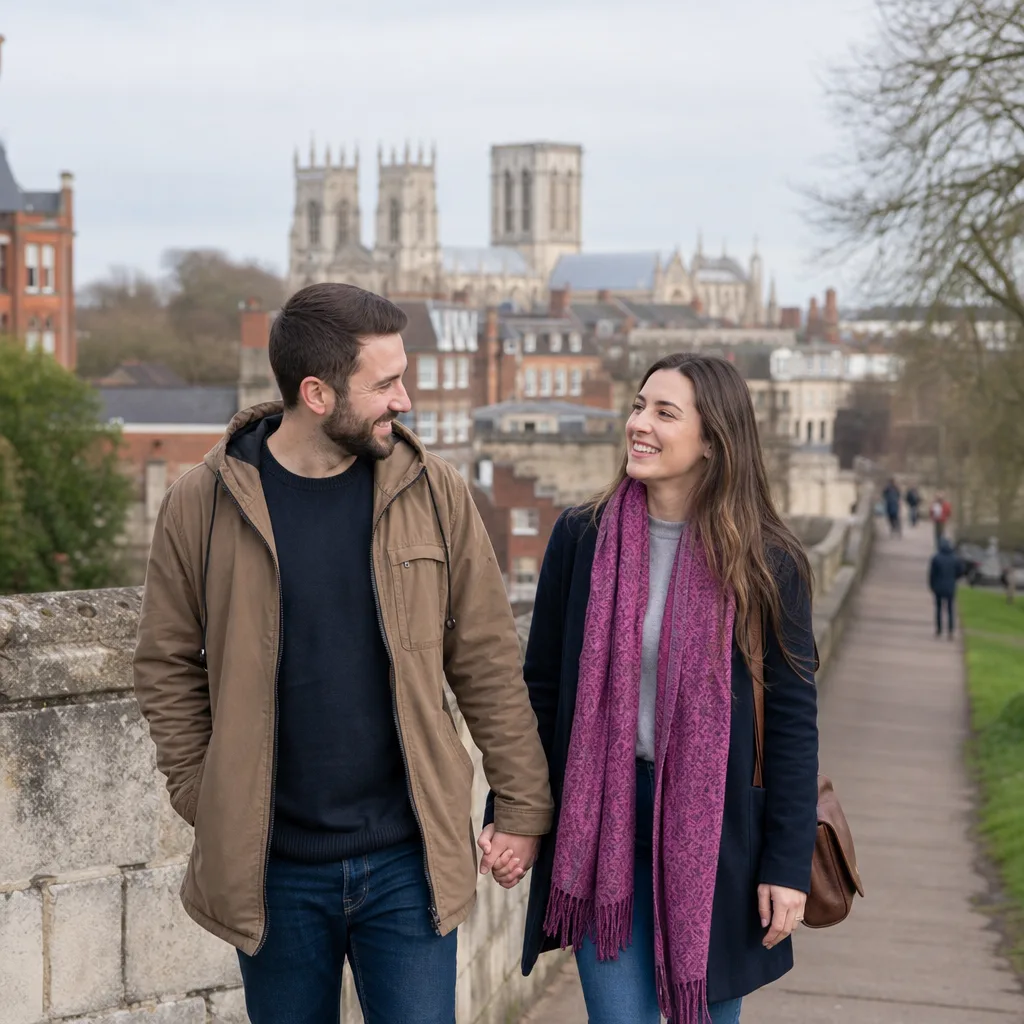
In Yorkshire, for example, a member might attend Leeds Cathedral on Great George Street yet prefer to meet initially at a neutral café nearby. Someone in York may choose a daytime walk through Museum Gardens. Faith provides common ground; a public local setting keeps the first meeting comfortable.


Woman reading a local dating profile on her phone

A specialist label can sound reassuring. The catch is that a narrow membership can also spread people thinly across the country, particularly outside London and the larger cities.

Is a Catholic dating site better than a general dating site?

A Catholic dating site offers clearer shared intent, while a local or general site may provide more nearby people, so the better choice depends on whether faith or distance is your strictest filter.

OptionMain strengthPossible drawback
Catholic-only dating siteFaith is understood from the outsetNearby membership may be limited
Local dating siteSearch begins with practical distanceYou need to explain your faith clearly
Large mainstream appBroad range of profilesLocation and religion filters may still produce distant results
Parish social circleNatural community contextLess privacy if dating does not work out

In reality, many Catholic singles use more than one route. A person may join a Catholic platform for shared values while also using a Yorkshire dating site to meet people within a manageable radius. That is not indecision. It is a sensible response to two separate needs.

Practical tip: Set your real travel limit before browsing. Think about a wet Tuesday after work, not a sunny Saturday with nothing else planned. If you would not regularly make the journey then, narrow the area.

Read payment terms with the same care you give a profile. Check which actions are free, which require payment, whether a subscription renews automatically and where cancellation is handled. A free registration does not always mean free messaging. The checkout page should tell you before you commit.

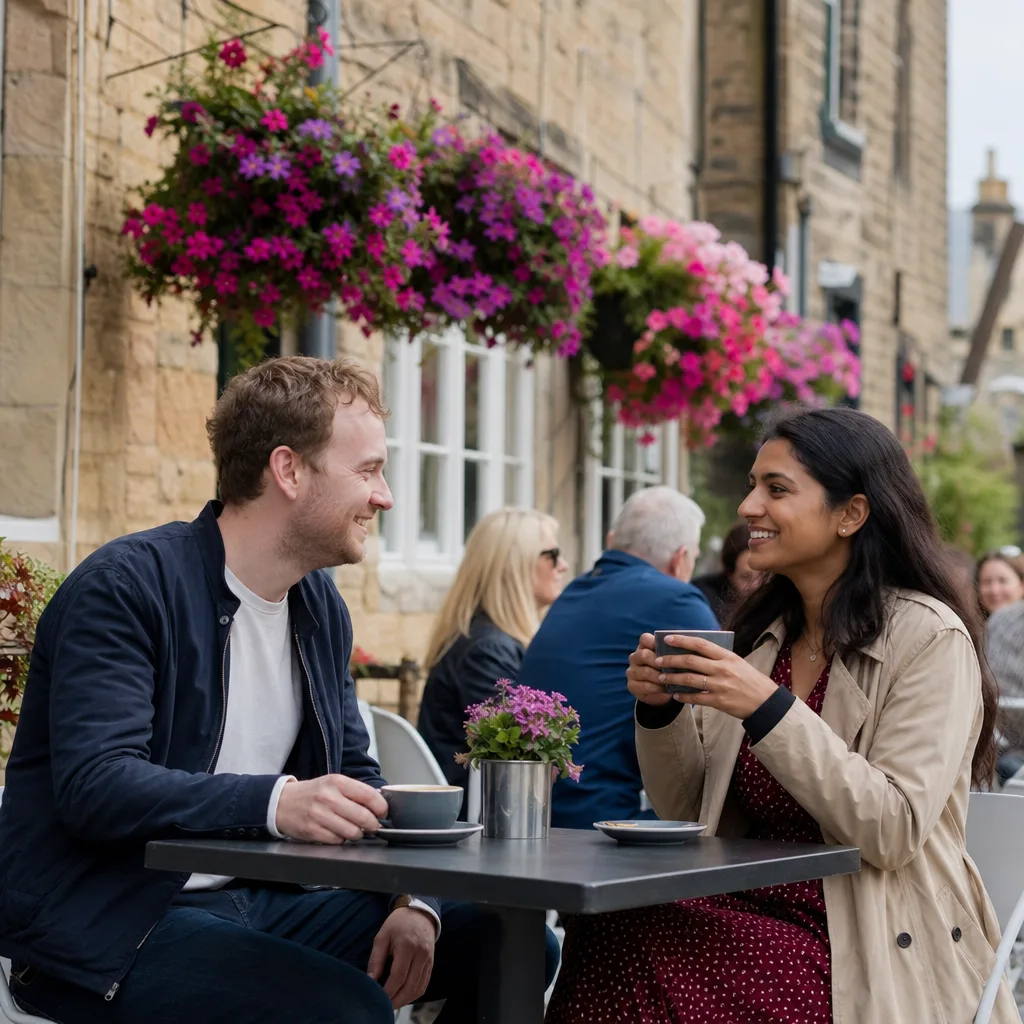
Two people discussing faith and relationships during a café date

Shared religion can create a quick sense of familiarity, but the word Catholic does not tell you everything. One person may attend Mass every week; another may value Catholic family life while attending occasionally. Neither should be made to sit an interview on the first date.

What should Catholics discuss before a relationship becomes serious?

Catholic couples should discuss how they practise their faith, their hopes for commitment and family, and any previous marriage once mutual trust has begun to form.

Start lightly, then become more specific as the relationship develops. Asking “What does your faith look like week to week?” is usually more revealing than demanding a label such as practising or traditional. Listen to the answer rather than testing it.

  • Mass and parish life. Talk about attendance, Holy Days and whether being involved in a parish community matters to either of you.
  • Marriage intentions. Be honest if you are dating with marriage in mind, but do not force a timetable onto a new acquaintance.
  • Children and family life. Discuss whether you want children and how you would approach baptism, Catholic schooling or religious practice at home.
  • Physical boundaries. People apply religious teaching differently. Clear, respectful language prevents both assumptions and pressure.
  • Politics and culture. Sharing a Church does not guarantee identical political views, family backgrounds or opinions on every moral question.

Previous relationships need care. A divorce, civil marriage or bereavement is not a neat profile category, and it does not reveal whether somebody is free to marry in the Catholic Church. If a relationship becomes serious, questions about annulment or canonical status are best discussed honestly and, where needed, with a parish priest or diocesan tribunal. Your date is a person, not a case file.

Shared faith is a starting point. Compatibility still depends on kindness, communication, daily habits and what each person genuinely wants.

It is also reasonable to say that you are culturally Catholic, returning to church or uncertain about parts of the faith. Precision is kinder than presenting yourself as the person you think someone else wants.

Couple meeting in a busy public square for a first date

A cross on a profile, a photograph outside a church or fluent religious language can feel reassuring. None of it proves identity. Romance scammers are quite capable of learning the right vocabulary, and genuine members can still behave badly.

How can I date safely when meeting someone from a Catholic dating site?

Verify the person gradually, keep early conversations on the platform and arrange the first meeting in a busy public place with your own transport home.

  1. Read the whole profile. Look for consistent details about location, work, family and faith rather than focusing on one shared belief.
  2. Keep the pace steady. A brief phone or video call can confirm that the person broadly matches the profile before you travel.
  3. Choose a public venue. Meet for coffee, lunch or a short daytime walk where other people are present. Do not use either person’s home for the first meeting.
  4. Tell someone. Share the person’s profile, the venue and your expected finish time with a friend or relative.
  5. Leave independently. Keep control of your journey home, money and phone. A first date does not create an obligation to continue elsewhere.

Warning: Never send money, gift cards, bank details or identity documents to somebody you know only through dating messages. Claims involving an emergency, travel problem, investment or frozen account are reasons to stop contact and report the profile.

Privacy matters too, especially in a close parish or small town. Avoid putting your home address, workplace, children’s school or normal Mass time in a public profile. You can say that you live near Harrogate or east of York without naming your street or weekly routine.

Trust your discomfort. You do not need courtroom evidence to end a conversation, block a member or leave a date. Politeness is not a safety plan.

A useful profile gives another person something real to respond to. “My faith is important” is sincere, but broad. A sentence about how it appears in ordinary life says much more.

How do I write a good Catholic dating profile?

A good Catholic dating profile explains your relationship with faith in plain language, shows what everyday life with you is like and states the kind of relationship you want.

  • Be specific about faith. You might say that you attend Mass regularly, volunteer in your parish, are returning after time away or value a Catholic upbringing without attending every week.
  • Include ordinary life. Mention Sunday lunch with family, walking on the coast, following county cricket, live music or the café you always return to. People date whole people, not religious labels.
  • State your intention. Say whether you hope for marriage, a committed relationship or simply want to meet someone thoughtfully and see how things develop.

Use recent photographs and write in your own voice. Skip long lists of prohibitions. If a point is essential, express it calmly: “I hope to meet someone who is comfortable attending Mass together” works better than a warning aimed at everyone who is not.

Then keep the geography honest. Catholic dating UK searches can cover hundreds of miles, but a relationship is built through repeat meetings. Browse Yorkshire singles by the places you can reach regularly, start with a straightforward message and let shared faith become part of a wider, human conversation.

Frequently asked questions

Do I have to be a practising Catholic to join?

No single label fits everyone. Be honest in your profile about whether you attend Mass regularly, are returning to the Church, identify culturally as Catholic or are open to dating a Catholic partner. That lets other members make an informed choice without anyone pretending.

Is Catholic dating in the UK free?

Registration and messaging terms vary between dating services. Before paying, check exactly which features are free, the subscription length, whether it renews automatically and how cancellation works. Do not rely on the word “free” in an advert without reading the current payment page.

Can divorced Catholics date again?

Yes, divorced Catholics can date, but freedom to marry in the Catholic Church may depend on the circumstances of the previous marriage and whether an annulment is needed. If a relationship is becoming serious, discuss it honestly and seek guidance from a parish priest or diocesan marriage tribunal.

Start with someone genuinely local

Create a clear profile, say what your Catholic faith means to you and meet people within a distance that works in real life.

Create your profile